

Overview
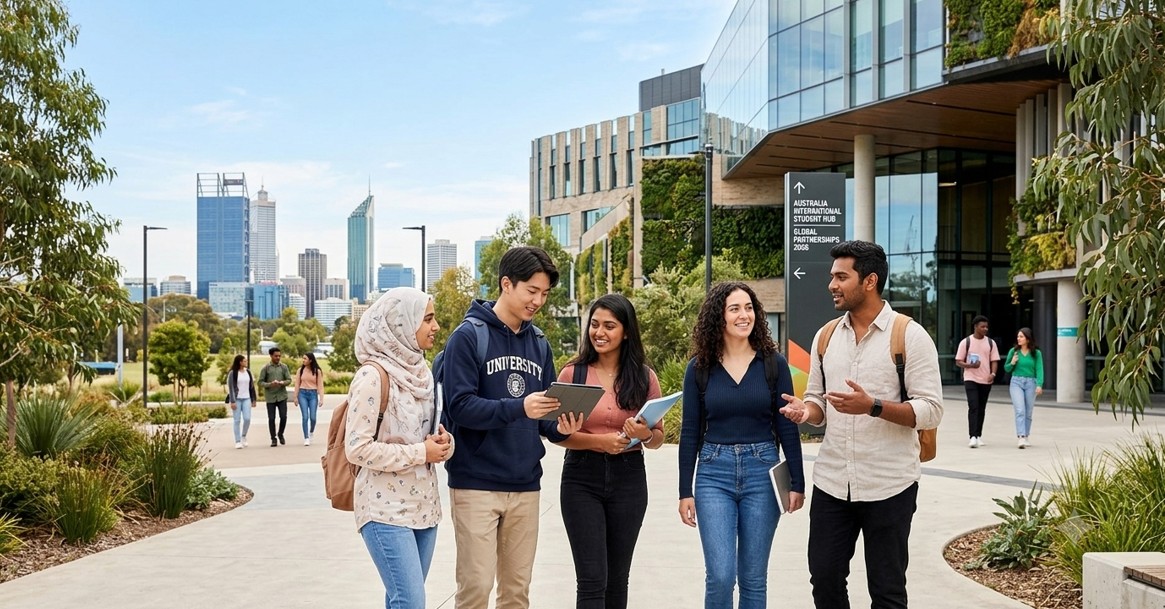
Fostering critical thinking, cultural awareness, and clear communication is essential to understanding human society and addressing complex global challenges. Students enrolled in the Bachelor of Arts at The University of Sydney explore diverse disciplines across the humanities, social sciences, languages, and creative arts. The highly flexible curriculum allows learners to tailor their studies by selecting majors and minors from a wide range of subject areas, including history, philosophy, international relations, English literature, sociology, and modern languages. Students learn alongside leading academics, acclaimed authors, and active researchers within interactive seminar settings and collaborative digital humanities environments. Practical research projects, international exchange opportunities, and interdisciplinary problem-solving units bridge classical scholarship with contemporary real-world contexts. This program suits creative, inquisitive thinkers who wish to analyze human culture, master persuasive communication, and adapt to dynamic global career pathways.
What You'll Learn
Humanities and social science methodologies, critical theory, and textual analysis
Historical perspectives, global political dynamics, and international relations frameworks
Cultural studies, media analysis, sociology, and contemporary societal structures
Philosophical inquiry, ethical reasoning, logic, and argumentation principles
Literary analysis, creative writing techniques, and linguistic studies
Modern languages, intercultural communication, and global perspectives
Qualitative and quantitative social research techniques, data synthesis, and archive evaluation
Critical thinking, persuasive written and oral communication, and media literacy
Interdisciplinary collaboration, project management, and community-engaged capstone initiatives
Learning Outcomes
Graduates will acquire a deep, broad understanding of human history, culture, language, and social systems across global contexts. They will master the capacity to critically evaluate complex texts, analyze diverse perspectives, and formulate coherent, evidence-based arguments on pressing social and ethical issues. Through intensive seminar discussions, independent research projects, and collaborative coursework, students build strong skills in analytical writing, cross-cultural communication, and creative problem solving. Furthermore, the versatile degree framework equips individuals with the intellectual agility and adaptability needed to thrive across diverse professional fields, including policy development, media and communications, diplomacy, cultural sector management, strategy consulting, and postgraduate research.

 Bournemouth University
 University of Liverpool
 University of Greenwich
 University of Nottingham