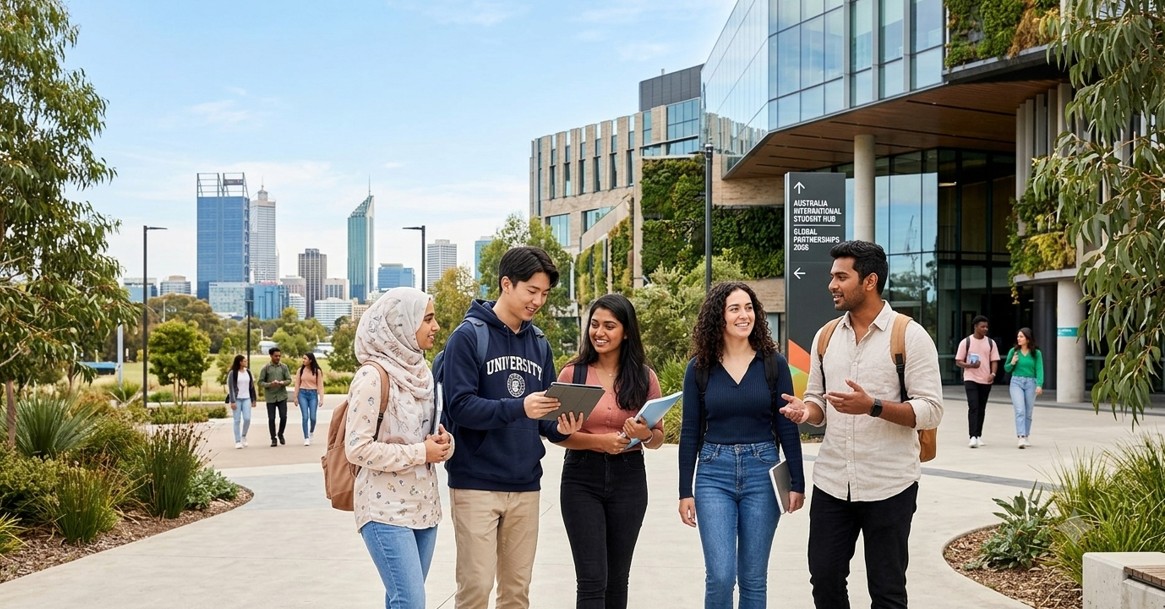




Overview
This foundational pathway introduces international students to the fundamental principles of computing, system design, and computational thinking, preparing them for higher-level studies in computer science. Delivered through Western Sydney University International College, the curriculum balances theoretical mathematical concepts with practical problem-solving approaches. Learners examine basic software logic, computer architectures, and data structures, building the essential academic capabilities required to transition into undergraduate computer science programs at Western Sydney University.
What You'll Learn
Programming Logic and Software Design: Core concepts of procedural logic, syntax structures, basic coding practices, and system algorithms.
Mathematical Foundations for Computing: Discrete mathematical principles, basic calculus, and logical reasoning applied to computer systems.
Computer Systems and Architecture: Fundamental hardware components, digital organization, memory structures, and network concepts.
Quantitative Methods and Data: Basic statistical concepts, data handling techniques, and analytical tools for technical problem-solving.
Tertiary Academic Communication: Scholarly writing standards, structured reporting, technical research methodologies, and collaborative study strategies.
Learning Outcomes
Upon completing this initial stage, students will understand core computer systems principles, software design frameworks, and fundamental mathematical concepts. They will be capable of applying algorithmic logic to solve basic computational problems and presenting technical research using standard academic conventions. Furthermore, graduates will demonstrate the critical thinking capabilities, independent study practices, and research skills necessary to succeed in undergraduate computer science coursework.

 Western Sydney University